


Healthy crop fields
Crop Pest Surveillance

Empowering Farmers with Timely Advisories

Real-time pest monitoring, expert advice and village-level guidance — straight from the Department of Agriculture.

View Recent Advisory
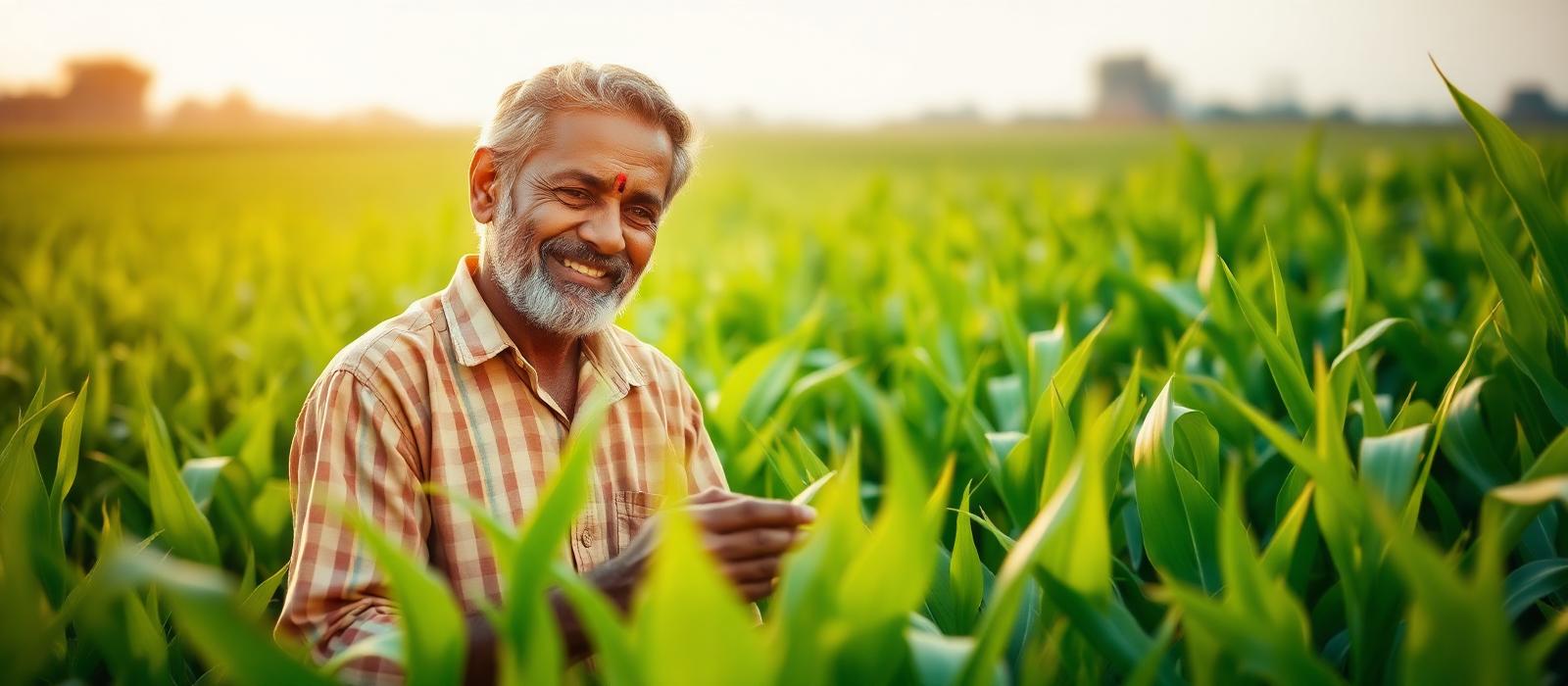
Farmer inspecting crop
For Every Farmer

Protect Your Crop. Maximize Your Yield.

Get village-specific recommendations on pest management, sprays and integrated practices.

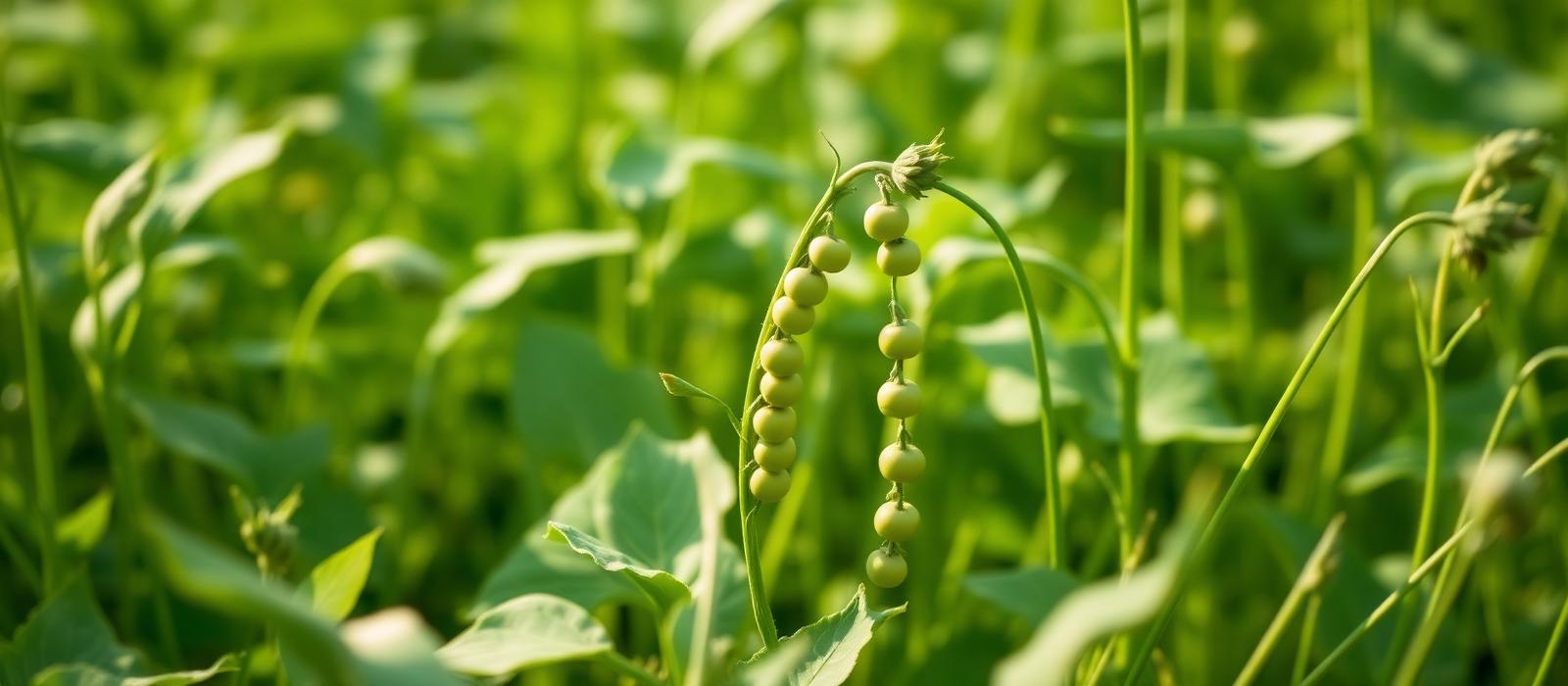
Chickpea plants
Integrated Pest Management

Science-backed, Farmer-friendly

Trusted advice from agricultural scientists, in English and Marathi.

8
Crops Monitored
34
Districts Covered
301693
Total Surveys
Latest Updates

Recent Advisory

Village-level recommendations from agricultural scientists, updated daily.

Reset
Advisory Date Crop Name District Taluka Village Brief Advisory Detail Advisory
15/07/2026 Cotton Nanded Bhokar Raikhod If there is infestation, for management, spray 5% neem seed extract OR Azadirachtin 0.03% (300 ppm) 50 ml or Azadirachtin 1500 ppm 25 ml per 10 liters of water. If natural enemies that feed on sap-sucking insects such as syrphid flies,lady bird beetle , chrysopa, etc. are found in abundance in the cotton crop area, the use of chemical pesticides should be avoided. If there is infestation for management, spray 5% Neem seed extract OR Azadirachtin 0.03% (300 ppm) 50 ml OR Azadirachtin 1500 ppm 25 ml per 10 liters of water.
15/07/2026 Cotton Nagpur Bhiwapur Manora for Management adopt spraying with Acetamiprid (20 % SP) 3 ml. OR Imidacloprid 17.8 % (SL) 2.5 ml. OR Buprofezin (25 % SC) 20 ml. OR Difenthuron (50 %WP) 12 gm. OR Cytraniliprole (10.26 % OD) 18 ml. OR Dinotefuron (20 % SG) 3.5 gm OR Flonicamid (50 % WG) 3.5 gm OR Difenthiuron 47 %+ Bifenthrin 9.4 %SC. 12.5 ml OR Acetamiprid 25% + Bifenthrin 25% WG 3 ml OR Difenthiuron 48% + Flonicamid 8% WG 12.5 gm OR Emamectin benzoate 1.1% + Difenthiuron 30% SC 20 ml per 10 liters of water. for Management adopt spraying with Acetamiprid (20 % SP) 3 ml. OR Fipronil (5 %SC) 30 ml. OR Imidacloprid 17.8 % (SL) 2.5 ml. OR Buprofezin (25 % SC) 20 ml. OR Difenthuron (50 %WP) 12 gm. OR Difenthuron (47.80 % SC) 10 ml OR Cytraniliprole (10.26 % OD) 18 ml. OR Dimethoate (30 % EC) 20 ml OR Dinotefuron (20 % SG) 3.5 gm OR Flonicamid (50 % WG) 3.5 gm OR Difenthiuron 47 %+ Bifenthrin 9.4 %SC. 12.5 ml OR Acetamiprid 25% + Bifenthrin 25% WG 3 ml OR Bifenthrin 8% + Clothiadin 10% SC 10 ml OR Buprofezin 20% + Acephate 50% WP 25 gm OR Difenthiuron 48% + Flonicamid 8% WG 12.5 gm OR Emamectin benzoate 1.1% + Difenthiuron 30% SC 20 ml per 10 liters of water.
15/07/2026 Cotton Nagpur Bhiwapur Manora If there is infestation, for management, spray 5% neem seed extract OR Azadirachtin 0.03% (300 ppm) 50 ml or Azadirachtin 1500 ppm 25 ml per 10 liters of water. If natural enemies that feed on sap-sucking insects such as syrphid flies,lady bird beetle , chrysopa, etc. are found in abundance in the cotton crop area, the use of chemical pesticides should be avoided. If there is infestation for management, spray 5% Neem seed extract OR Azadirachtin 0.03% (300 ppm) 50 ml OR Azadirachtin 1500 ppm 25 ml per 10 liters of water.
15/07/2026 Cotton Yavatmal Umarkhed Met for Management adopt spraying with Acetamiprid (20 % SP) 3 ml. OR Imidacloprid 17.8 % (SL) 2.5 ml. OR Buprofezin (25 % SC) 20 ml. OR Difenthuron (50 %WP) 12 gm. OR Cytraniliprole (10.26 % OD) 18 ml. OR Dinotefuron (20 % SG) 3.5 gm OR Flonicamid (50 % WG) 3.5 gm OR Difenthiuron 47 %+ Bifenthrin 9.4 %SC. 12.5 ml OR Acetamiprid 25% + Bifenthrin 25% WG 3 ml OR Difenthiuron 48% + Flonicamid 8% WG 12.5 gm OR Emamectin benzoate 1.1% + Difenthiuron 30% SC 20 ml per 10 liters of water. for Management adopt spraying with Acetamiprid (20 % SP) 3 ml. OR Fipronil (5 %SC) 30 ml. OR Imidacloprid 17.8 % (SL) 2.5 ml. OR Buprofezin (25 % SC) 20 ml. OR Difenthuron (50 %WP) 12 gm. OR Difenthuron (47.80 % SC) 10 ml OR Cytraniliprole (10.26 % OD) 18 ml. OR Dimethoate (30 % EC) 20 ml OR Dinotefuron (20 % SG) 3.5 gm OR Flonicamid (50 % WG) 3.5 gm OR Difenthiuron 47 %+ Bifenthrin 9.4 %SC. 12.5 ml OR Acetamiprid 25% + Bifenthrin 25% WG 3 ml OR Bifenthrin 8% + Clothiadin 10% SC 10 ml OR Buprofezin 20% + Acephate 50% WP 25 gm OR Difenthiuron 48% + Flonicamid 8% WG 12.5 gm OR Emamectin benzoate 1.1% + Difenthiuron 30% SC 20 ml per 10 liters of water.
15/07/2026 Maize (Kharif) Satara Man Pachvad • In the evening or before sunrise, collect snails from the field and immerse them in soapy or salty water to kill them. Alternatively, gather large snails from the field, place them in a bag, add dry salt or lime, and tightly seal the bag without leaving the opening open. This will ensure that the snails remain inside the bag and die from contact with the salt or lime. • In the field, place heap of dried grass or vegetable crop residues in different locations, around 7 to 8 meters apart. Wet gunny bags with jaggary water and place them in various spots in the field. The snails are attracted to these areas. After sunrise, collect the snails and their eggs from these areas and dispose of them by putting them in salty water. • In the evening or before sunrise, collect the snails from the field and dip them in soapy or salty water to kill them, or gather large shell snails from the field and place them in a bag. Add dry salt or lime inside and tightly seal the bag without leaving the opening, so that the snails inside cannot escape and come in contact with the salt or lime, eventually dying inside. • While collecting or handling the snails, it is essential to wear gloves and a mask instead of using hand gloves. • In the field, place heap of dried grass or vegetable crop residues in different locations, around 7 to 8 meters apart. Wet gunny bags with jaggary water and place them in various spots in the field. The snails are attracted to these areas. After sunrise, collect the snails and their eggs from these areas and dispose of them by putting them in salty water.
15/07/2026 Soybean Nanded mudkhed Pathrad • In the evening or before sunrise, collect snails from the field and immerse them in soapy or salty water to kill them. Alternatively, gather large snails from the field, place them in a bag, add dry salt or lime, and tightly seal the bag without leaving the opening open. This will ensure that the snails remain inside the bag and die from contact with the salt or lime. • While collecting or handling snails, it is important to wear gloves and a mask instead of using bare hands. • In the evening or before sunrise, collect the snails from the field and dip them in soapy or salty water to kill them, or gather large shell snails from the field and place them in a bag. Add dry salt or lime inside and tightly seal the bag without leaving the opening, so that the snails inside cannot escape and come in contact with the salt or lime, eventually dying inside. • While collecting or handling the snails, it is essential to wear gloves and a mask instead of using hand gloves. • In the field, place heap of dried grass or vegetable crop residues in different locations, around 7 to 8 meters apart. Wet gunny bags with jaggary water and place them in various spots in the field. The snails are attracted to these areas. After sunrise, collect the snails and their eggs from these areas and dispose of them by putting them in salty water.
14/07/2026 Cotton Yavatmal Yavatmal Ratchandana • In the evening or before sunrise, collect snails from the field and immerse them in soapy or salty water to kill them. Alternatively, gather large snails from the field, place them in a bag, add dry salt or lime, and tightly seal the bag without leaving the opening open. This will ensure that the snails remain inside the bag and die from contact with the salt or lime. • While collecting or handling snails, it is important to wear gloves and a mask instead of using bare hands. • In the evening or before sunrise, collect the snails from the field and dip them in soapy or salty water to kill them, or gather large shell snails from the field and place them in a bag. Add dry salt or lime inside and tightly seal the bag without leaving the opening, so that the snails inside cannot escape and come in contact with the salt or lime, eventually dying inside. • While collecting or handling the snails, it is essential to wear gloves and a mask instead of using hand gloves. • In the field, place heap of dried grass or vegetable crop residues in different locations, around 7 to 8 meters apart. Wet gunny bags with jaggary water and place them in various spots in the field. The snails are attracted to these areas. After sunrise, collect the snails and their eggs from these areas and dispose of them by putting them in salty water.
14/07/2026 Cotton Ahilyanagar SHRIGONDA Pisora Bk. If there is infestation, for management, spray 5% neem seed extract OR Azadirachtin 0.03% (300 ppm) 50 ml or Azadirachtin 1500 ppm 25 ml per 10 liters of water. If natural enemies that feed on sap-sucking insects such as syrphid flies,lady bird beetle , chrysopa, etc. are found in abundance in the cotton crop area, the use of chemical pesticides should be avoided. If there is infestation for management, spray 5% Neem seed extract OR Azadirachtin 0.03% (300 ppm) 50 ml OR Azadirachtin 1500 ppm 25 ml per 10 liters of water.
14/07/2026 Soybean Nanded mahur Umra If the infestation is mild and only in isolated areas, the biological friendly fungus Metarhizium should be mixed with 4 ml per liter of water and applied to the roots of the crop. Or, mix Metarhizium 1 kg per 100 kg of cow dung and spread on the field per hectare. Moisture is essential when using friendly fungi. If the infestation is mild and only in isolated areas, the biological friendly fungus Metarhizium should be mixed with 4 ml per liter of water and applied to the roots of the crop. Or, mix Metarhizium 1 kg per 100 kg of cow dung and spread on the field per hectare. Moisture is essential when using friendly fungi.
14/07/2026 Cotton Yavatmal Yavatmal Sawargad • In the evening or before sunrise, collect snails from the field and immerse them in soapy or salty water to kill them. Alternatively, gather large snails from the field, place them in a bag, add dry salt or lime, and tightly seal the bag without leaving the opening open. This will ensure that the snails remain inside the bag and die from contact with the salt or lime. • In the field, place heap of dried grass or vegetable crop residues in different locations, around 7 to 8 meters apart. Wet gunny bags with jaggary water and place them in various spots in the field. The snails are attracted to these areas. After sunrise, collect the snails and their eggs from these areas and dispose of them by putting them in salty water. • In the evening or before sunrise, collect the snails from the field and dip them in soapy or salty water to kill them, or gather large shell snails from the field and place them in a bag. Add dry salt or lime inside and tightly seal the bag without leaving the opening, so that the snails inside cannot escape and come in contact with the salt or lime, eventually dying inside. • While collecting or handling the snails, it is essential to wear gloves and a mask instead of using hand gloves. • In the field, place heap of dried grass or vegetable crop residues in different locations, around 7 to 8 meters apart. Wet gunny bags with jaggary water and place them in various spots in the field. The snails are attracted to these areas. After sunrise, collect the snails and their eggs from these areas and dispose of them by putting them in salty water.
Showing 891 - 900 of 1075 advisories